Jumble Answers for 03/11/2026


TODAY JUMBLE ANSWER

03/11/2026
OTFOA=AFOOT
GROIR=RIGOR
SYGOLS=GLOSSY
IZDRLA=LIZARD

CARTOON CLUE:
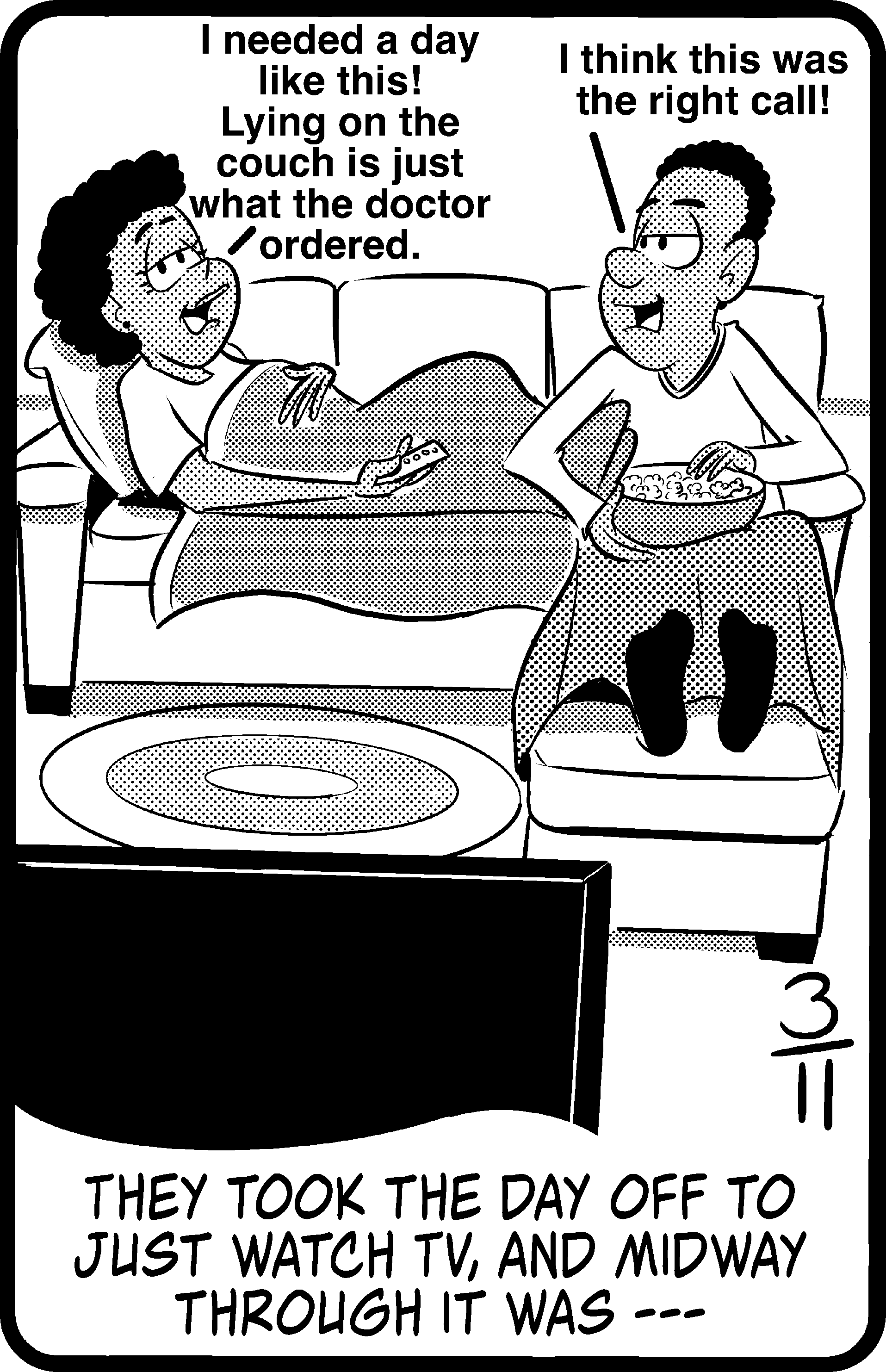
THEY TOOK THE DAY OFF TO JUST WATCH TV, AND MIDWAY THROUGH IT WAS —
Jumble Cartoon 03/11/2026
FOOGOOSSAD
🎯 Guess the Final Answer!
01
🌟 What's Special Today
Topical hooks and real-world connections
Topical AuthoritySemantic Entities
📺
Couch Day Vibes
March 11 is perfect for lazy TV marathons. The puzzle celebrates doing absolutely nothing but watching your favorite shows all day long.
🛋️
Furniture Themed
Today's puzzle connects to comfort and relaxation. The final answer plays with a common piece of furniture that's perfect for TV watching.
📅
This Day In History
March 11 marks the beginning of spring break for many schools. It's the perfect day to stay home, relax, and enjoy some well-deserved rest.
🎯
Pattern: Pun Setup
Notice how the cartoon clue leads you toward a pun-based answer. The four solved words help you find the bonus scramble letters.
02
📚 Word Meanings
Dictionary-quality definitions for vocabulary building
E-E-A-T: ExpertiseFeatured Snippet

👆 Tap each card to reveal the meaning

AFOOT
Adjective or adverb meaning in motion or happening now. When plans are afoot, they're actually taking place. Example: A surprise party is afoot for your birthday tomorrow.
▼ Tap to reveal
RIGOR
Noun meaning extreme strictness or carefully following rules. Scientists use rigor when doing experiments. It means being super precise and careful about every detail.
▼ Tap to reveal
GLOSSY
Adjective describing something shiny and smooth. A glossy finish reflects light and looks polished. Magazines often have glossy pages that feel slick and shiny.
▼ Tap to reveal
LIZARD
Noun for a scaly reptile with four legs and a tail. Lizards are cold-blooded animals found in warm places. Some can change colors or drop their tails to escape.
▼ Tap to reveal
03
🧠 How Words Solved
Expert solving methodology step by step
E-E-A-T: Experience

👆 Tap each word to see the solving trick

OTFOAAFOOT
Start with OTFOA by spotting the OO pattern. Move O and T around, then find the F and A. Rearrange to reveal AFOOT, a word meaning 'in motion or happening now.'
GROIRRIGOR
Hunt for GROIR's common letter combos. Notice the I and R work together. Flip G to the front and you'll uncover RIGOR, a word meaning 'strict attention to detail.'
SYGOLSGLOSSY
Tackle SYGOLS by recognizing the S sounds. You've got two S letters here. The Y and L fit together naturally. Rearrange to find GLOSSY, describing something shiny and smooth.
IZDRLALIZARD
Break IZDRLA into chunks like LI and ZA. The D and R need positioning. Shift letters around until LIZARD appears, the scaly reptile that loves warm sunshine.
04
🏗 Final Answer Built
How circled letters combine to form the solution
AFOOT
A
F
O
O
T
RIGOR
R
I
G
O
R
GLOSSY
G
L
O
S
S
Y
LIZARD
L
I
Z
A
R
D
Colored letters combined →
SOFA SO GOOD
05
🎨 Cartoon Explained
Deep analysis of wordplay and pun structure
E-E-A-T: Expertise

A couple is sprawled on their couch in the afternoon, completely glued to the TV screen. Empty snack bowls surround them. They're having the perfect lazy day with zero plans and total comfort.

The humor comes from a clever play on words with the sofa, furniture, and relaxation. The pun works because the final answer sounds like a well-known phrase about life being good, but it connects directly to sitting on that couch all day.

It's funny because we all know that cozy feeling of a TV day. The joke lands perfectly when you realize the answer plays with furniture and happiness. That's an 8/10 for cleverness because it's simple but super satisfying once you get it.

06
🌎 Word Origins
Etymology and linguistic history of each solved word
Deep Authority
AFOOT
Old English
Comes from 'a' meaning 'in motion' and 'foot' the body part. Originally meant walking or on foot. Over time it grew to mean any plan or action happening now. Vikings used similar words for movement and action.
RIGOR
Latin
Descended from Latin 'rigere' meaning 'to be stiff.' It described being firm and unyielding in rules. Medieval scholars adopted it for strict thinking. Today it means precise attention to detail in work and science.
GLOSSY
Old Norse
Evolved from 'gloss' meaning shine or luster. Norse seafarers described shiny objects this way. Medieval traders used glossy to describe polished metals and fine materials. The 'y' ending makes it an adjective for appearance.
LIZARD
Old French
Comes from Old French 'lesarde' and Latin 'lacerta.' Ancient Romans knew these scaly reptiles well. The word spread through Europe as trade increased. English settlers brought lizard names to new lands.
07
📊 Difficulty Rating
Expert assessment with detailed analysis
E-E-A-T: Authority
⭐⭐⭐ Medium

AFOOT and GLOSSY unscramble pretty smoothly. RIGOR and LIZARD require more thought since their letters don't jump out at you immediately. Most people solve the first two quickly, then pause on the back pair.

The bonus challenge adds difficulty because you need all four solved words. Once you have them correct, the final answer unscrambles nicely. This puzzle rewards careful work but isn't overly tricky for experienced Jumble solvers.

4
Words
22
Letters
~2m
Avg Time
08
💡 Pro Tips
Actionable solving strategies for today's puzzle
🔤
Look for Vowels First
Spot where the A, E, I, O, U letters sit in each scramble. Vowels are your anchors. Build consonants around them. This speeds up unscrambling every time.
✏️
Write It Out
Don't just think in your head. Scribble letters on paper and rearrange them physically. Seeing the letters move helps your brain find patterns faster than staring.
🎲
Start with Small Words
Try two or three letter combinations first. Look for common endings like ED, LY, or ER. Build up from there. Small word patterns unlock bigger ones quickly.
🧩
Check Your Answer
Once you think you've solved a word, say it out loud. Does it sound real? Could it fit the cartoon clue? Verify before moving to the next scramble.
09
❓ Frequently Asked Questions
Common queries answered with expert insight
FAQ Schema
What are the Jumble answers for March 11, 2026?

Today's four solved words are AFOOT, RIGOR, GLOSSY, and LIZARD. These answers were created by David L. Hoyt and Jeff Knurek, the talented team behind the daily Jumble puzzle in newspapers everywhere.

Each word unscrambles from the daily scrambles at the top of the puzzle. Once you solve all four words, you'll use the circled letters to unscramble the bonus phrase. That bonus answer connects to the funny cartoon clue about taking a day off to watch TV.

 
How does the bonus round work in Jumble?

After you solve the four main word puzzles, certain letters in your answers get circled. You take those circled letters and rearrange them to form a new phrase. This bonus phrase directly answers the cartoon clue shown in the puzzle.

Today's bonus letters come from AFOOT, RIGOR, GLOSSY, and LIZARD. Put them together in the right order and you'll discover the punchline that completes the joke about lazy day TV watching. It's like solving a puzzle within a puzzle.

 
What's the best way to solve these scrambled words?

Start by examining OTFOA, GROIR, SYGOLS, and IZDRLA separately. Look for familiar letter patterns and common word endings. Sound out combinations as you rearrange. Notice which scrambles have vowels clustered together, and which spread them out.

Write the letters down physically and move them around on paper. Don't rely only on your brain. Once you spot a word beginning to form, test it against the cartoon clue. Does it make sense? Say it out loud. Verify each answer before celebrating your win.

 
Where do these words come from originally?

AFOOT traces back to Old English, describing something in motion or happening now. RIGOR comes from Latin 'rigere,' meaning strict and firm. GLOSSY evolved from Old Norse and means shiny or polished. LIZARD descended from Old French 'lesarde,' the name Romans gave to these scaly reptiles.

Each word carries history from different languages and cultures. Understanding where words come from helps you remember them better. It's cool seeing how English borrowed from Norse, Latin, and French over hundreds of years.


Similar Posts

Leave a Reply

Your email address will not be published. Required fields are marked *