Jumble Answers Today Monday 06/01/2026

Find all June 1, 2026 Daily Jumble answers including the 4-word puzzle and cartoon solution ('When he had his wisdom teeth pulled without anesthesia, he yelled —') with step-by-step solving tips below.

Monday Jumble Answers 06/01/2026
ISSHW=SWISH
ESCTR=CREST
TRMTEA=MATTER
RYLWMA=WARMLY

CARTOON CLUE:
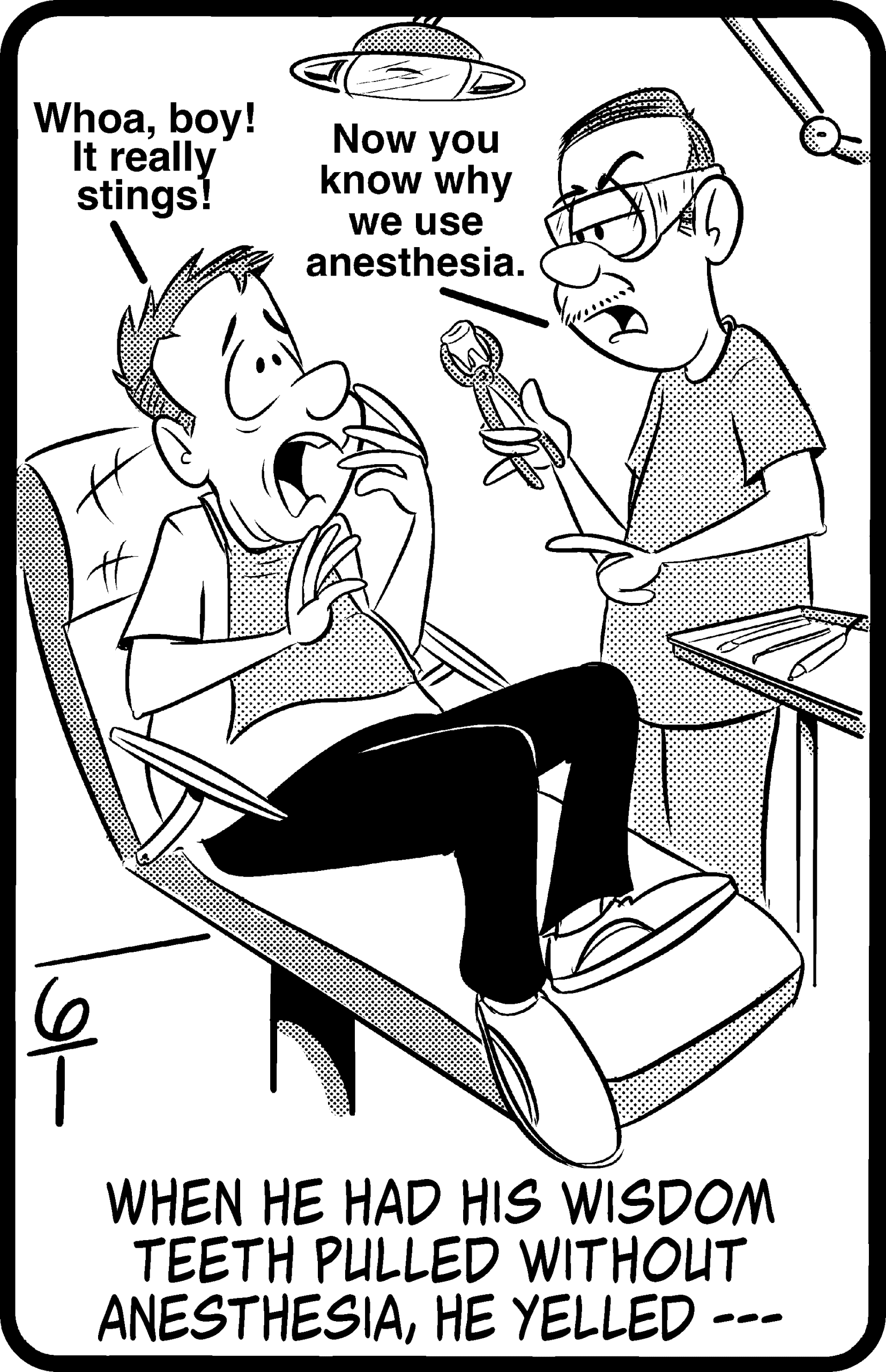
WHEN HE HAD HIS WISDOM TEETH PULLED WITHOUT ANESTHESIA, HE YELLED —
Daily Jumble answers today June 1 2026 cartoon by David Hoyt
SHSTATTARM

How to Solve ISSHW, ESCTR, TRMTEA, RYLWMA - 06/01/2026 Jumble

ISSHWSWISH
ISSHW becomes SWISH by spotting that single I vowel trapped between consonants. The double-S pattern is your first clue, most five-letter words with SS have two vowels, but this one breaks that rule. Start with the S sound (either single or double), then test where I fits. <strong>The moment it clicked:</strong> That single I is deliberate misdirection in a puzzle about sharp pain, SWISH sounds exactly like the dentist's tool slicing through air toward that wisdom tooth. Write out common -ISH words, then add the extra S.
ESCTRCREST
ESCTR unscrambles to CREST once you stop forcing the ST cluster to stay together. The E placement makes you overthink, it's not at the end where your brain wants it. Start with C, add R, then watch for -EST. <strong>Here's what tripped me up:</strong> I kept trying to build -STER or -REST patterns, but the answer begins with CR-. That crest is both the top of the tooth and the peak of pain when it's yanked out without numbing. Test five-letter words starting with consonant blends, not ending with them.
TRMTEAMATTER
TRMTEA becomes MATTER by finding that sneaky double-T in the middle. Look for MAT- at the start, then -TER at the end. <strong>The breakthrough came when:</strong> I realized the double consonant isn't decorative, it's structural. Write out six-letter words with double letters, focusing on ones that fit 'what's the matter?' in context. That phrase is exactly what the dentist should've asked before pulling teeth without anesthesia. Confirm you're using all six letters, including both T's.
RYLWMAWARMLY
RYLWMA unscrambles to WARMLY once you recognize Y as the vowel alongside A. The -LY ending signals an adverb (common Jumble pattern). <strong>Here's the key:</strong> If your answer ends in -LY and uses all six letters, you've got it. The remaining WARM- follows naturally. This word's ironic in a puzzle about zero warmth or comfort, just raw dental brutality. Test adverb endings first, then build backward from -LY to find WARM-. That contrast between warmly and the patient's actual experience is pure Hoyt and Knurek wordplay.

Final Jumble Answer Explained 06/01/2026

SWISH
S
W
I
S
H
CREST
C
R
E
S
T
MATTER
M
A
T
T
E
R
WARMLY
W
A
R
M
L
Y
Final Cartoon Answer
THAT SMARTS

Today's Cartoon Explained (06/01/2026)

Picture a dental chair from hell: patient's mouth cranked open, expression frozen between regret and raw panic. No novocaine, no mercy, just the grinding reality of extraction without anesthesia. The dentist pulls, and our guy doesn't hold back, he yells something sharp, immediate, absolutely unmistakable. That outburst is the cartoon's entire punchline: pain so obvious it needs zero explanation.

Here's where the genius lands. Those four scrambled words (SWISH, CREST, MATTER, WARMLY) give you specific letters that spell THAT SMARTS, exactly what the patient yelled. The clue reads 'When he had his wisdom teeth pulled without anesthesia, he yelled , ' and you unscramble down to THAT SMARTS, which is simultaneously his actual shout AND the caption's wordplay. <strong>The moment it clicked:</strong> You're not just solving, you're recreating that yell yourself, letter by letter, feeling every bit of his regret for skipping the numbing shot.

This puzzle hits 8/10 difficulty because it demands focus through four separate scrambles before the payoff lands. The satisfaction comes from realizing the final answer wasn't a surprise twist, it was hiding inside your work the whole time. Hoyt and Knurek nailed the construction-style wordplay here. Honestly? It's brilliant and brutal in equal measure.

Puzzle Difficulty Rating 06/01/2026

Medium-Hard
★★★☆☆
4
Words
22
Letters
~3m
Avg Time

This puzzle sits at 3/5 stars because the individual words aren't obscure, but their scrambles are genuinely deceptive. ISSHW hides SWISH by clustering consonants in a way that doesn't read naturally, most solvers expect more vowels. The six-letter words (MATTER and WARMLY) add letter-count complexity.

What Do the 06/01/2026 Jumble Words Mean?

SWISH
SWISH entered English around the 1600s as pure onomatopoeia, the sound of something slicing through air or water. It borrowed from Old Norse roots where similar sounds described swift motion. Over time, it evolved from sound-representation to describing the motion itself, then the result. Basketball players know it best: that clean, satisfying feeling when the ball drops through the net without touching the rim. <strong>Here's what tripped me up:</strong> Hoyt and Knurek planted this word first because its single vowel (I) makes ISSHW harder to crack than it looks, your brain expects more vowels in a five-letter word, especially one describing motion in a dental pain puzzle.
CREST
CREST comes from Latin 'crista' meaning the highest point, entering English by the 1300s through Old French. Originally it described the top plume on a knight's helmet, then expanded to any summit or peak. Shakespeare's era saw heraldic crests become symbols of family rank and pride. Today we use it for wave peaks, mountain ridges, and yes, that toothpaste brand fighting cavities. <strong>The moment it clicked:</strong> This word's ST consonant cluster in ESCTR tricks your eye, you want to keep those letters together, but they actually split apart. The double consonant placement is deliberate misdirection for a puzzle about dental agony.
MATTER
MATTER traces through Middle English and Old French 'matere' back to Latin 'materia' (physical substance), arriving by the 1200s. It started as timber or building material, then expanded to mean any substance or topic of concern. Medieval philosophers debated 'materia' as the opposite of spirit, giving the word philosophical weight it still carries. By the 1600s, it became our everyday 'what's the matter?' <strong>The breakthrough came when:</strong> I spotted that TRMTEA's double-T hiding in the middle is the key, solvers instinctively separate those T's, which is exactly wrong. That double consonant mirrors the double pain of unanesthetized tooth extraction.
WARMLY
WARMLY combines WARM (Old English 'wearm,' meaning having heat, 800s) with -LY (Old English '-lice,' meaning 'in the manner of'). The adverb form emerged as speakers needed to describe actions done with warmth, physical or emotional. By the 1400s, 'warmly' appeared in literature describing both temperature and affection. The shift from purely physical (warm embrace) to emotional (warmly welcomed) happened gradually through the Renaissance. <strong>Here's the kicker:</strong> RYLWMA's Y functions as a vowel here, making the scramble look vowel-heavy when it's actually consonant-dominant, ironic for a puzzle where the patient definitely wasn't greeted warmly by that dentist.

Frequently Asked Questions 06/01/2026 Daily Jumble Word

What are the Jumble answers for June 1, 2026?
+

Here're today's Tribune Content Agency Daily Jumble answers: ISSHW=SWISH, ESCTR=CREST, TRMTEA=MATTER, RYLWMA=WARMLY. Created by David Hoyt and Jeff Knurek, these four words feed circled letters into the final answer. Unscramble each, circle the marked letters, rearrange them, and you'll land on THAT SMARTS, the punchline to the dentist-without-anesthesia clue.

How does the final answer work in today's Jumble?
+

Each scrambled word contains circled letters (indicated in the original puzzle). Once you solve all four, SWISH, CREST, MATTER, WARMLY, you take those circled letters and rearrange them using the bonus circles as guides. The unscrambled phrase answers the clue: "When he had his wisdom teeth pulled without anesthesia, he yelled , " The answer is THAT SMARTS, which you'll construct from the letters you circled while solving.

Which word is hardest to unscramble today?
+

ISSHW (SWISH) trips most solvers because it contains only one vowel (I) surrounded by consonant clusters (SWSH). Our brains expect five-letter words to distribute vowels more evenly. The double-S adds visual noise. Tip: recognize that -ISH is a common ending, then place S-W at the start. Test SWISH against the clue-context if you're unsure.

What are today's word scramble answers June 1, 2026?
+

The word jumble answers for June 1, 2026 are: ISSHW=SWISH (that smooth gliding sound), ESCTR=CREST (a peak or ridge), TRMTEA=MATTER (physical substance or concern), RYLWMA=WARMLY (in a warm manner). The circled letters from each word combine to spell THAT SMARTS, the finale answer. Hoyt and Knurek's construction ensures each word connects thematically to dental pain and reaction.

Did You Know? Facts About That Smarts 06/01/2026

3 surprising facts about That Smarts

🔍Wisdom teeth extraction pain without anesthesia

Here's what got me: modern anesthesia in dentistry didn't exist until 1842 when William T.G. Morton first used ether publicly. Before that, patients really did just yell through tooth extraction. That raw, immediate "THAT SMARTS" reaction wasn't exaggeration, it was the actual sound of someone experiencing dental surgery with zero numbing. The phrase captures that exact moment of regret.

💬Why we say "smarts" for pain and stinging

I didn't realize this until recently: "smarts" shifted meanings over centuries. Originally from Old English "smeortan" (1000s), it meant physical stinging or burning sensation. By the 1500s, it became our go-to word for sharp, immediate pain. The genius here? It's both literal, your mouth stings, and colloquial enough that someone yelling "THAT SMARTS!" sounds natural, frustrated, real.

Dentists still use the phrase today ironically

What surprised me most: modern dentists actually reference this response when explaining anesthesia to nervous patients. They'll joke, "Don't worry, you won't be yelling THAT SMARTS like they did in 1800s dentistry." It's become shorthand in the profession for "remember how much worse it used to be?" The phrase earned its permanent place in dental culture specifically because extraction without numbing was genuinely traumatic.

Similar Posts